Thorough Water Damage Services: Preserve Your Property From Future Issues
Extensive flood damage services play an essential role in defending properties from ongoing begin now risks. They involve periodic inspections and care of roofing and plumbing systems. Early identification of potential issues can prevent considerable harm. Furthermore, advanced techniques like fluid removal and mold control handle current difficulties effectively. However, the most effective strategies also include preventive actions. Understanding these aspects can be critical for homeowners looking to protect their holdings and secure long-term safety. What should they focus on next?
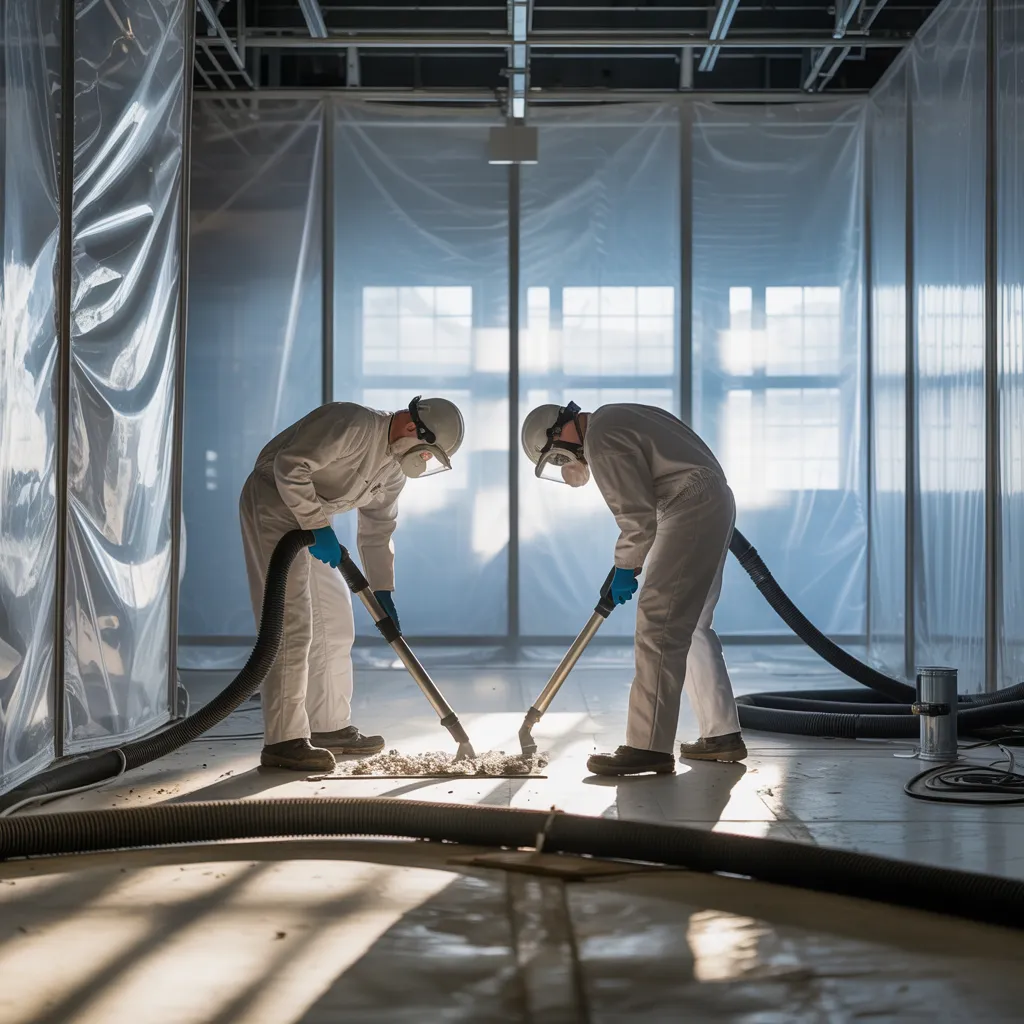
Why You Need to Take Immediate Action on Water Damage
Reacting promptly to water damage remains essential. Avoiding quick response can spawn grave complications, encompassing structural damage, mold growth, and mounting repair costs. Water can work into walls, flooring, and insulation, developing a favorable setting for mold spores to expand within 24 to 48 hours. This not only puts at risk the property but also creates health concerns to inhabitants.
Moreover, the longer the water lingers, the greater the damage develops, possibly threatening the stability of the building. Quick intervention helps to reduce these impacts, safeguarding both the property's value and the wellbeing of its occupants.
Furthermore, timely action can accelerate the restoration timeline, allowing homeowners to get back to normalcy sooner. Hiring expert restoration companies promptly can guarantee comprehensive assessments and successful remediation, avoiding additional issues in the future. Emphasizing swift action is critical for safeguarding both property and wellbeing.

What Results in Liquid Destruction and How to Spot It In advance?
Water damage could result from various sources, making early spotting vital for protection. Common causes include plumbing leaks, roof leaks, and natural disasters such as heavy rain or floods. Aging infrastructure, such as worn-out pipes or compromised roofing materials, can also contribute greatly to water intrusion.
Home owners ought to be vigilant about detecting signs of water damage, which may feature stains on walls or ceilings, a musty smell, and mold growth. Additionally, peeling paint and warped flooring are indicators that moisture may be existing. Regular inspections of plumbing systems and roofing can help catch issues before they escalate.
Early detection is vital; tackling potential sources of water damage swiftly can minimize costly restoration and preserve the structural soundness of the property. By understanding the causes and recognizing the signs, property owners can take preventive action to shield their homes against water damage problems.
Essential Services for Effective Water Damage Restoration
When a building is affected by water damage, quick and experienced restoration assistance are vital for proper recovery. Key services include water extraction, which involves taking out standing water to prevent further damage. After this, thorough drying and dehumidification processes are important to eliminate moisture from buildings and materials. Restoration experts evaluate the degree of damage and determine the repairs needed, whether that requires replacing flooring, drywall, or insulation.
Additionally, removal of mold is essential, as mold can develop rapidly in humid conditions, leading to health risks and further compromising the property. Advanced strategies, such as thermal imaging and moisture mapping, support identify hidden water sources and halt recurrence. Finally, deodorization and sanitization services assure that any lingering odors and contaminants are eliminated, restoring the property to a safe and usable condition. Together, these vital services create a complete approach to proper water damage restoration, safeguarding properties from long-term issues.
Methods to Stop Forthcoming Water Damage
Effective water damage repair stresses the importance of preventative measures to prevent future problems. Property owners should regularly check their roofs, gutters, and water downspouts to ensure they are unobstructed and functioning correctly. This prevents water accumulation that can result in leaks and foundation damage. Additionally, servicing plumbing systems by looking for leaks and confirming proper water drainage can significantly reduce the risk of water damage.
Installing pumping devices in basements and choosing water-resistant materials during refurbishments can also provide an additional measure of protection. Moreover, homeowners should consider landscaping adjustments, such as grading soil away from the foundation, to guide water flow correctly. Regular servicing and timely repairs are essential for defending residences against potential water damage, thereby sustaining their structural soundness and appeal. Taking these steps can help create a resilient environment that lowers upcoming risks related to water ingress.
How to Locate the Ideal Water Damage Service Vendor
In what manner can homeowners ensure they pick the most suitable water damage contractor? First, they should evaluate potential companies carefully, checking for certifications, licenses, and insurance. A credible provider should possess industry-standard certifications, such as those from the Institute of Inspection, Cleaning and Restoration Certification (IICRC).
Next, reading customer reviews and testimonials can provide insights into the company's reliability and service quality. Property owners should also inquire about the variety of available services, ensuring they include everything from initial evaluation to complete restoration.
Additionally, securing several quotes can assist with evaluating expenses and grasping the scope of services provided. Finally, assessing the provider's response time is essential; a rapid response can minimize further harm. By taking these elements into account, homeowners can make informed decisions, ensuring their home receives the best possible care in times of crisis.
Top Questions Customers Want Addressed
How Much Does Flood Damage Restoration Typically Cost?
Water damage restoration costs typically fall from $1,000 to $5,000, depending on the severity of the damage, location, and necessary work. Additional factors, like materials and workforce, can affect the total price substantially.
Will My Insurance Policy Cover Water Damage Restoration?
Protection plans for water damage fixes often relies on the policy specifics. Generally, if the damage originates from a covered peril, such as a fractured pipe, insurers may grant financial assistance for reconstruction expenses.
What Timeframe Should You Anticipate for Water Damage Restoration?
Water damage restoration typically requires one to five days, reliant on the extent of the damage, the materials involved, and the required drying process. Delays may occur if extensive repairs or mold remediation are necessary.
Can I Manage Water Damage Restoration Myself?
Tackling water restoration work by yourself is viable, but it typically necessitates specialized knowledge and equipment. Insufficient remediation can produce mold growth and structural issues, establishing professional assistance a safer and more effective solution.
Which Health Threats Correspond with Water Damage?
Water damage results in numerous health risks, including mold growth, which can elicit respiratory issues, allergies, and infections. Contaminated water may also foster bacteria and viruses, leading to gastrointestinal illnesses and other serious health complications.